
 English
 Español
 中文简体
中文简体
Address: No. 199, Weiwu Road, Yueqing Economic Development Zone, Zhejiang Province, China.
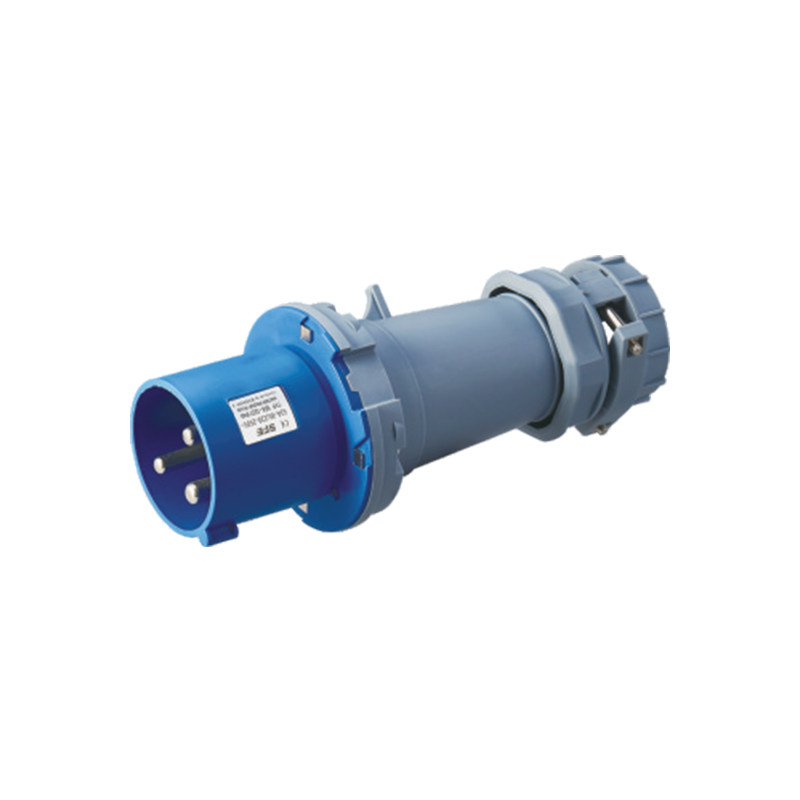
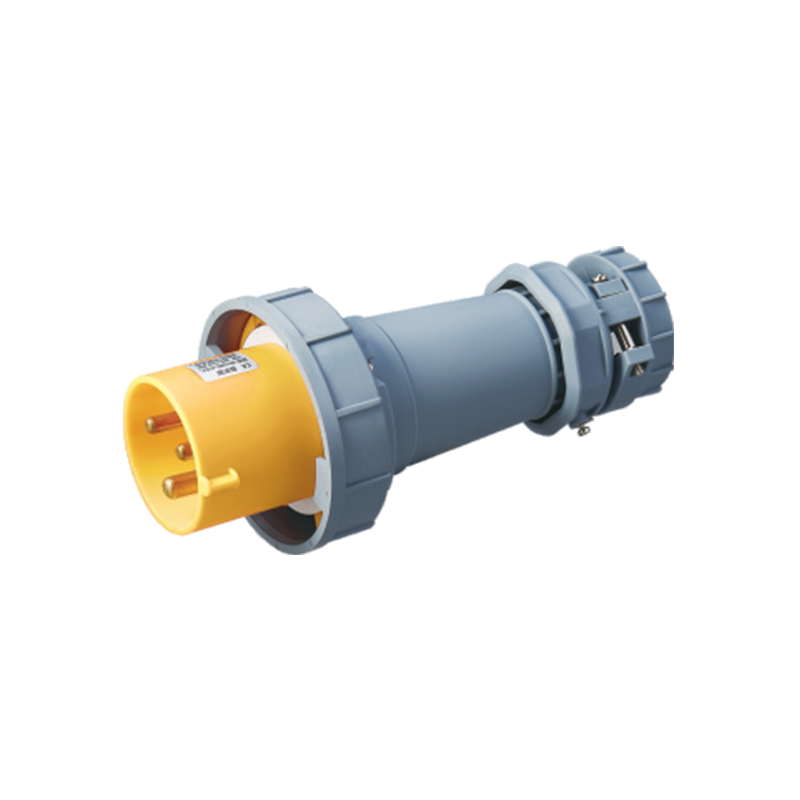
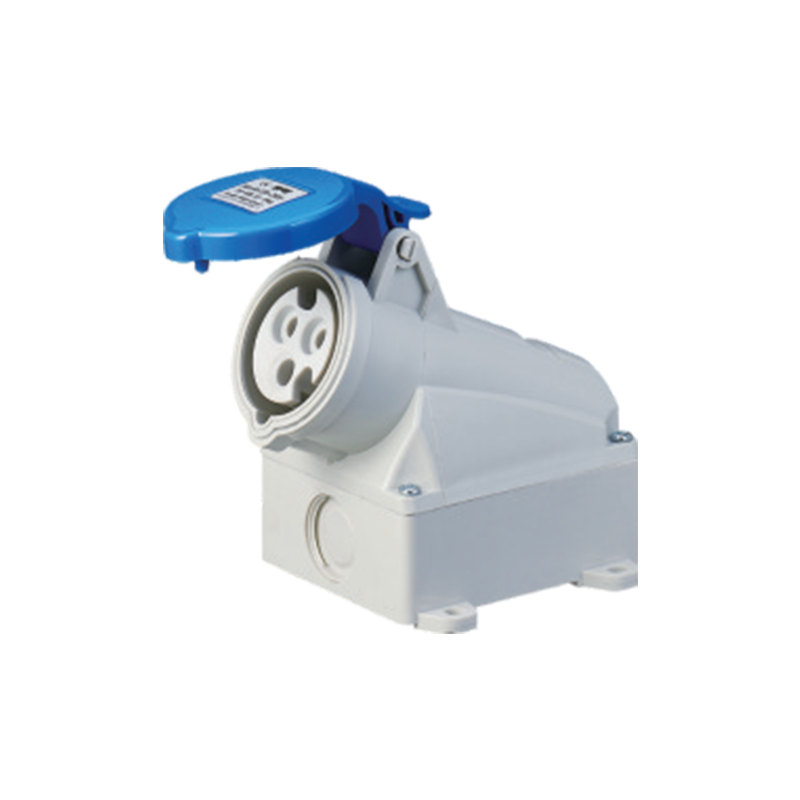
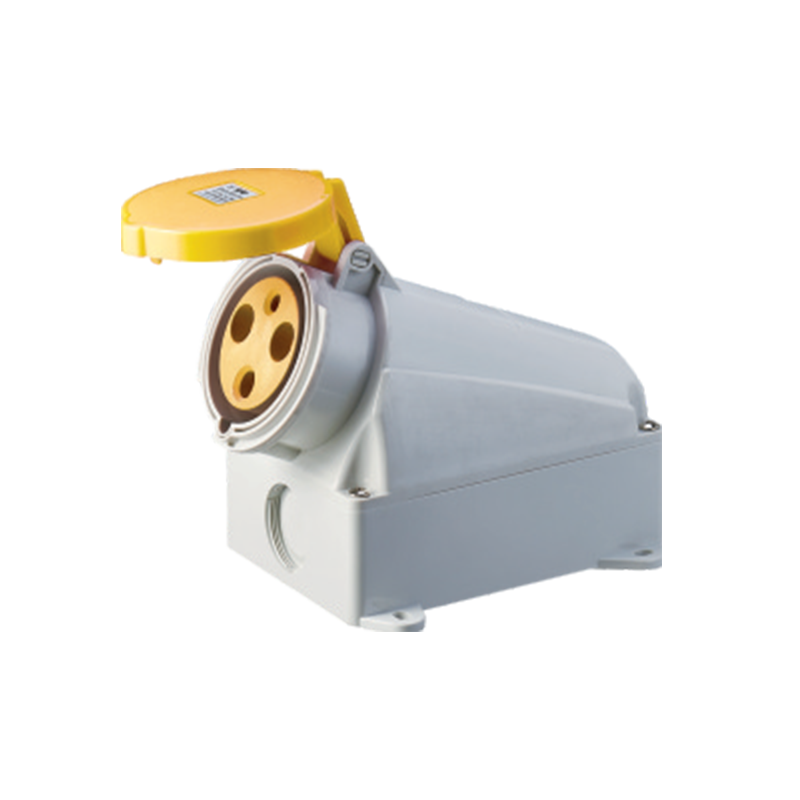
In an age where sustainability is becoming increasingly important, the role of energy-efficient electrical sockets in our homes cannot be overlooked. As we strive to reduce our carbon footprint and embrace greener living practices, selecting the right electrical components is a crucial step. Among these, plastic electrical sockets, 240V multi plugs, and outdoor electrical connections play significant roles in promoting energy efficiency and sustainability.
Understanding Energy Efficiency in Electrical Sockets
Energy efficiency refers to using less energy to provide the same level of service. In the context of electrical sockets, this means designing products that have less energy loss and maximize performance. Traditional sockets often have limitations that can advance to energy wastage, particularly when devices are not in use but still plugged in, a phenomenon known as "phantom load." Energy-efficient designs aim to address these issues, ensuring that power is only consumed when necessary.
The Advantages of Plastic Electrical Sockets
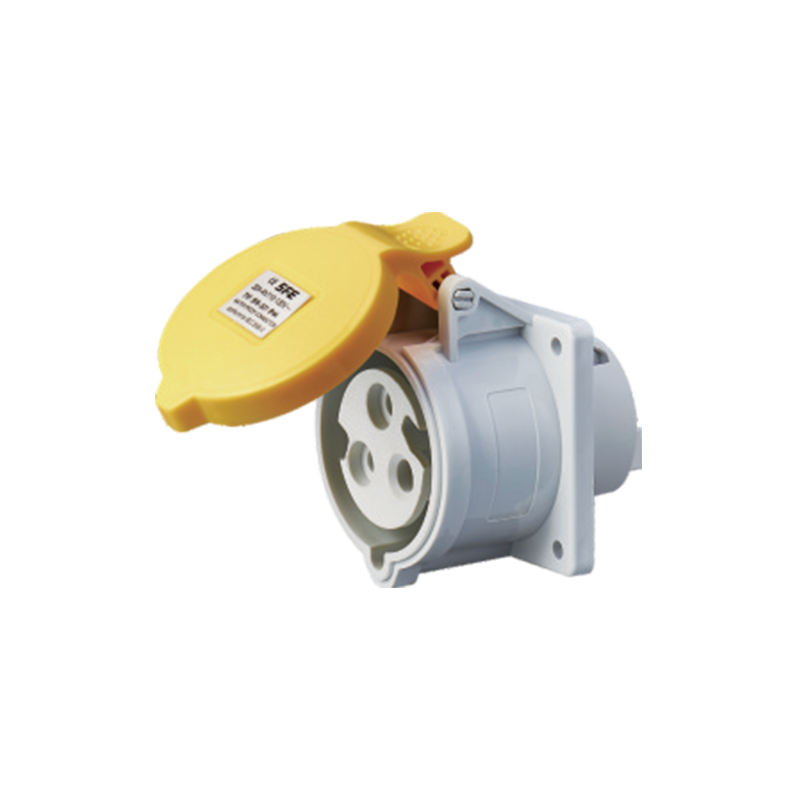
Plastic electrical sockets have gained popularity due to their lightweight, durable, and cost-effective nature. Unlike their metal counterparts, plastic sockets reduce the risk of corrosion and are less prone to wear and tear, making them an ideal choice for long-term use. Moreover, many plastic electrical sockets are designed with energy efficiency in mind. Features such as built-in surge protection and the ability to easily switch off power to multiple devices can significantly reduce energy consumption.
The insulation properties of plastic also contribute to safety. With less risk of electrical shock, these sockets are particularly suited for households with children or pets. Additionally, the versatility of plastic allows for a wide range of designs and colors, enabling homeowners to choose sockets that complement their home decor while also enhancing energy efficiency.
The Role of 240V Multi Plugs in Energy Management
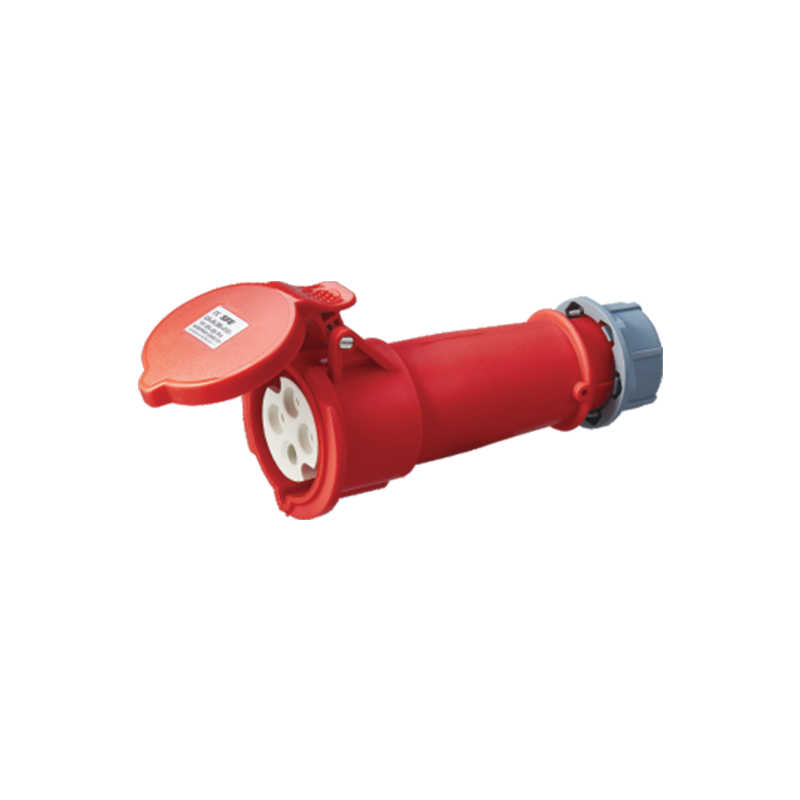
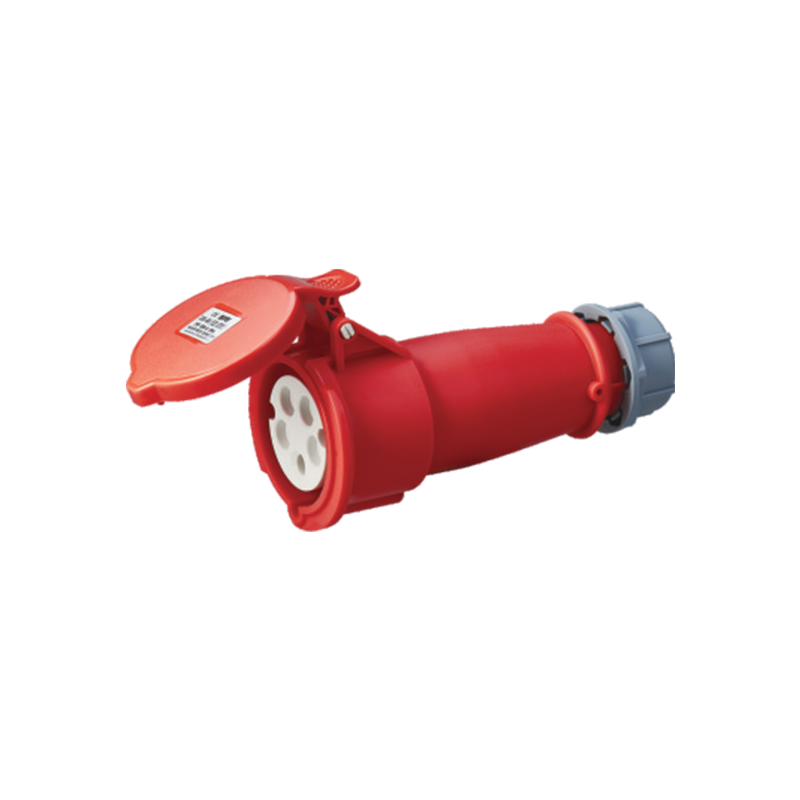
The 240V multi plug is another essential component in energy-efficient homes. Designed to accommodate multiple devices simultaneously, these plugs are ideal for modern living where multiple electronics are often in use. By enabling several devices to connect through a single outlet, 240V multi plugs help to reduce the need for multiple sockets, thereby less the overall energy footprint.
When selecting a 240V multi plug, it is vital to consider features that enhance energy efficiency. Some models include smart technology that allows users to monitor energy usage or automatically shut off power to devices that are not in use. This feature is particularly beneficial for reducing phantom loads, as it ensures that power is not wasted when devices are idle.
Outdoor Electrical Connections: Safety and Sustainability
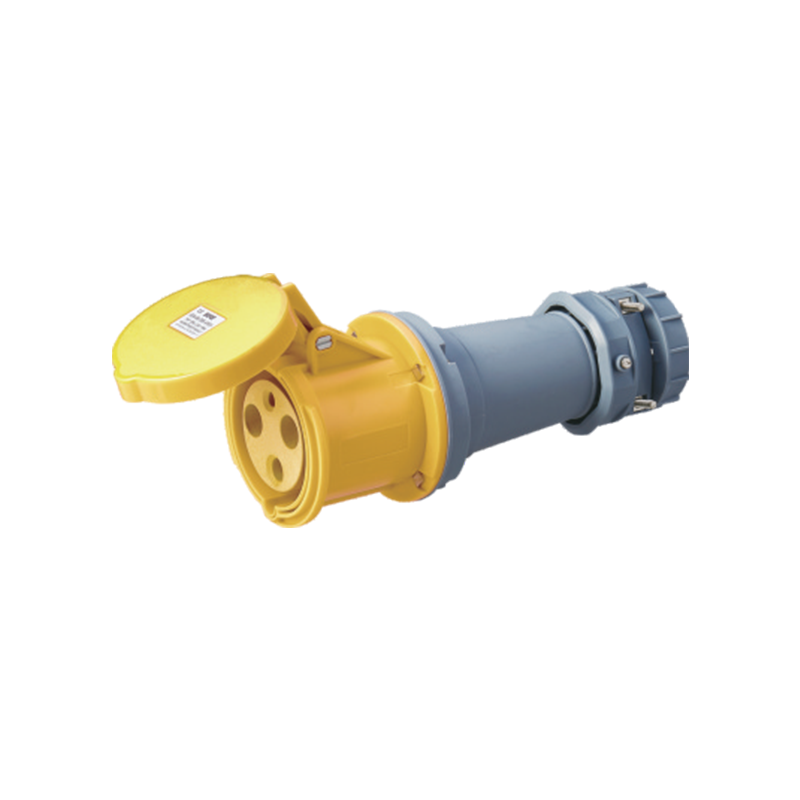
Outdoor electrical connections are crucial for homes that utilize external power sources for gardens, patios, or outdoor entertaining areas. These connections must be designed to withstand the elements, making it essential to choose durable, weather-resistant options. Energy-efficient outdoor electrical sockets and connections can help lessen energy loss while providing reliable power for outdoor appliances and lighting.
When considering outdoor electrical connections, homeowners should look for options that include safety features such as weatherproof enclosures and automatic shut-off capabilities. These features not only enhance safety but also contribute to energy efficiency by ensuring that power is used only when needed.
Integrating Energy-Efficient Solutions into Your Home
Integrating energy-efficient electrical sockets, 240V multi plugs, and outdoor electrical connections into your home requires thoughtful planning. Start by assessing your current electrical needs and identifying areas where energy loss may occur. Consider replacing outdated sockets with modern plastic electrical sockets that offer better performance and safety.
For households with multiple devices, investing in 240V multi plugs can streamline energy use and reduce clutter. Additionally, for outdoor areas, select durable electrical connections that can handle weather conditions while maintaining efficiency.
The Future of Sustainable Living
As technology advances, the future of sustainable living continues to evolve. Innovations in energy-efficient electrical components are paving the way for smarter, more sustainable homes. The combination of plastic electrical sockets, 240V multi plugs, and outdoor electrical connections will play a crucial role in this transformation.
By embracing these energy-efficient solutions, homeowners not only contribute to a healthier planet but also enjoy the benefits of reduced energy costs and improved safety. Sustainable living is not just a trend; it is a necessary step towards a more responsible and eco-friendly future. By making informed choices about electrical components, we can all play our part in building a more sustainable world.
In conclusion, the integration of energy-efficient electrical sockets into our homes represents a significant step towards achieving sustainability. The careful selection of products such as plastic electrical sockets, 240V multi plugs, and robust outdoor electrical connections is essential in reducing energy consumption and enhancing safety. As we move forward, these elements will be fundamental in shaping energy-efficient homes that contribute positively to the environment.
